BIOMASS UP CYCLING FOR THE CIRCULAR ECONOMY

WE THROW BILLION TONS OF BIOMASS EVERY YEARS

Each year, over 4 billion tons of agricultural biomass are discarded, burned, or left to rot—releasing greenhouse gases, depleting soils, and squandering valuable carbon and nutrients. From the Nanoweave perspective, this is not just an environmental crisis—it’s a massive missed opportunity. Today’s biomass disposal practices drive pollution, increase input dependency, and leave rural communities out of the green economy. Nanoweave views this waste not as a liability, but as a raw material for regeneration—unlocking circular value chains that produce clean materials, restore soil health, and generate decentralized energy. We’re not just solving a waste problem—we’re building a platform that transforms residue into resilience.

Deforestation of the Amazon forest

Deforestation for timber extraction is accelerating the destruction of the Amazon rainforest, stripping away biodiversity and destabilizing one of the world’s most vital carbon sinks. Each clear-cut acre not only releases massive amounts of CO₂, but also disrupts rainfall cycles, soil integrity, and indigenous livelihoods. Driven by global demand for pulp, paper, and construction materials, this unchecked timber harvesting is pushing the Amazon closer to ecological collapse—transforming the “lungs of the Earth” into a carbon source.

We need to stop cutting trees to get the materials we need, even responsible sustainable forest products, as this practice continues to change the soils and significantly affect biodiversity. Trees play a crucial role in maintaining the health of our ecosystems; they provide habitat for countless species, support the soil structure, and regulate water cycles. Moreover, old trees are better at capturing CO2 than young trees, especially in the northern hemispheres, where mature forests sequester large amounts of carbon, thus helping to combat climate change. Preserving existing forests and promoting reforestation efforts can enhance carbon storage capabilities and foster richer, more diverse habitats, which are essential for the planet’s stability and resilience. It’s imperative that we explore alternative materials and methods in construction and manufacturing that do not rely on deforestation, allowing us to protect these vital natural resources for future generations.

MICROPLASTIC

Microplastics from synthetic fibers like polyester are polluting our oceans, soils, and even our food systems—posing a growing threat to ecosystems and human health. As these plastics fragment, they become nearly impossible to remove. Cellulose offers a natural, biodegradable alternative that breaks down harmlessly in the environment. Derived from plant waste, cellulose-based fibers provide the performance of synthetics without the pollution—offering a scalable, regenerative solution to the microplastic crisis.

Cellulose is the world’s most abundant biopolymer and a cornerstone of the emerging bioeconomy. As a renewable, biodegradable material derived from plant biomass, cellulose offers a sustainable alternative to fossil-based plastics in packaging, textiles, and consumer goods. Its versatility—from films and fibers to nanocellulose and composites—makes it a key enabler in the transition to low-carbon, circular manufacturing. By replacing petrochemicals with cellulose-based materials, industries can drastically reduce emissions, eliminate microplastics, and build supply chains rooted in regeneration rather than extraction. In short, cellulose isn’t just a substitute for plastic—it’s the foundation of a sustainable industrial future.

We MAKE WASTE THE NEW RAW MATERIAL

AND THE FARM THE NEW INDUSTRY

PARTNER WITH US TO MAKE TRULY SUSTAINABLE AND CIRCULAR MATERIALS

How we deploy our solution

We deploy our modular technology directly at the source—near agricultural processing facilities and mills where biomass is generated. From there, our proprietary low-CAPEX process, powered by plasma technology, extracts high-purity cellulose without the use of chemicals. The only by-product is a nutrient-rich liquid fertilizer, which is returned to farmers to regenerate soil health, closing the loop between waste and productivity.

Modular & Low CAPEX deployment

We cut cellulose pulp production costs by up to 50% through our breakthrough plasma-based technology, which eliminates the need for toxic chemicals like chlorine and sulfur traditionally used in extraction and bleaching. This enables a truly sustainable source of cellulose—no trees cut, no harmful chemicals, and zero effluent. Even better, our nutrient-rich by-products replace synthetic fertilizers, creating a regenerative loop that benefits both industry and agriculture.

Adapted to renewable energy generation

The Nanoweave process is designed for seamless integration with renewable energy sources, making it ideal for decentralized and off-grid deployment. Its modular design and low thermal load enable operations powered by solar PV, wind turbines, or biomass cogeneration, depending on local resources. In regions with agricultural waste abundance, our process can even be self-powered through biomass boilers and Rankine cycle turbines, closing the energy loop. This adaptability ensures that Nanoweave not only transforms residues into value—but does so with a minimal carbon footprint, aligning with the global transition to clean, resilient energy systems.

A group of hands from different individuals placing their hands around a small green plant sprouting from the soil, symbolizing collaboration and care for the environment.

WE BELIEVE IN PARTNERSHIPS WHERE ALL BENEFIT, NOT ONLY TODAY BUT ALSO FOR FUTURE GENERATIONS

Partnerships with offtakers

We have secured strategic partnerships with leading personal care and hygiene companies, unlocking a high-value cellulose offtake opportunity worth over $3 million. These early collaborations validate market demand and position Nanoweave as a trusted supplier in a sector urgently seeking sustainable, non-wood alternatives.

Pilot deployment agreement with farmers

We have secured a pilot agreement with palm oil producers committed to making their operations more sustainable. This initial deployment represents over $1.2 million in CAPEX and serves as a gateway to broader regional scaling. By converting palm waste into high-value cellulose and regenerative by-products, this partnership demonstrates the commercial and environmental potential of Nanoweave in one of the world’s largest agricultural industries.

OVER 60+ YEARS OF EXPERIENCE COMBINED IN THE BIO ECONOMY

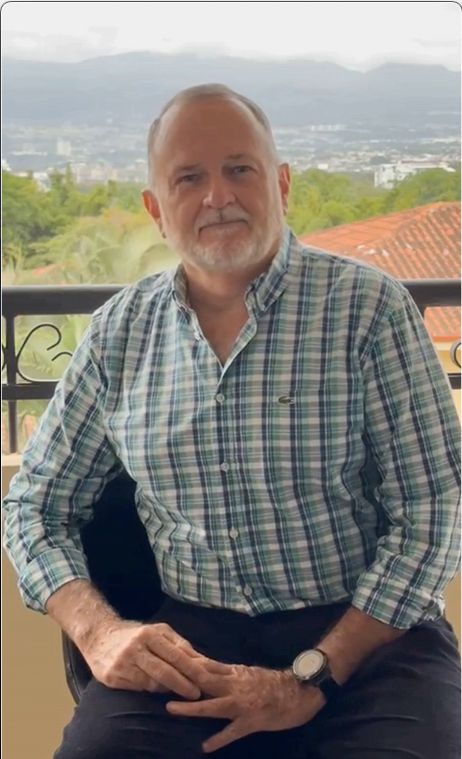
JAVIER BERROCAL CHIEF OPERATIONS OFFICER

Javier Berrocal brings over 35 years of experience in agribusiness operations and bioeconomy commercialization, with a strong focus on scaling sustainable solutions in Latin America. His career spans leadership roles in agricultural commodity trading, operational logistics, and the integration of sustainable practices within traditional value chains. Javier has led initiatives to modernize post-harvest processing, improve supply chain resilience, and deploy circular economy models in agro-industrial zones. At Nanoweave, he leverages this deep operational expertise to oversee technology deployment, site customization, and franchise execution, ensuring that each unit delivers both environmental and financial returns. His hands-on understanding of biomass sourcing, rural industrialization, and regenerative market dynamics makes him a vital driver of Nanoweave’s impact at scale.

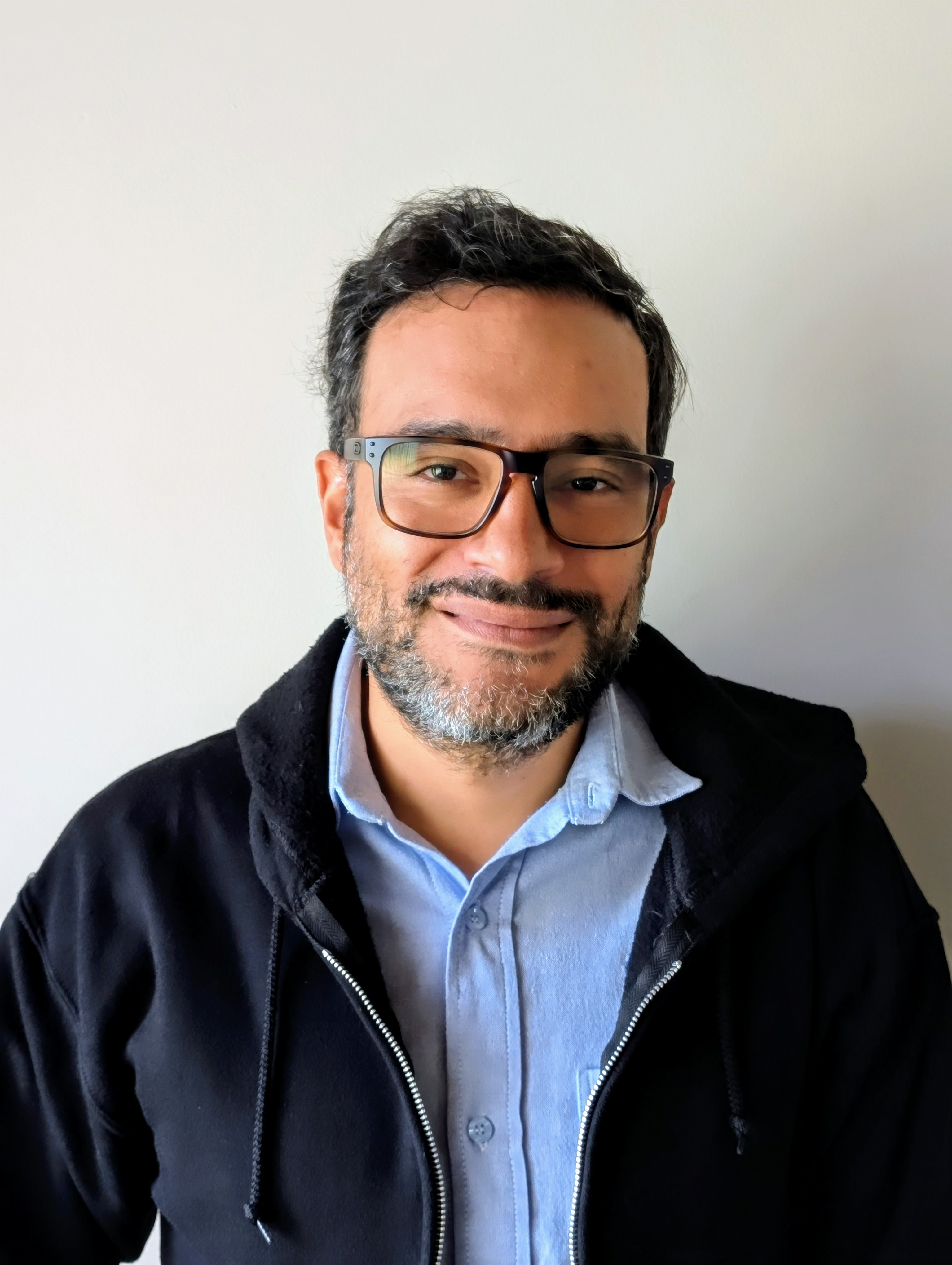
ANDRES BELALCAZAR CHIEF EXECUTIVE OFFICER

Andrés Felipe Belalcázar is a seasoned biotechnology innovator and entrepreneur with over 20 years of experience transforming scientific insight into market-ready solutions across the agrifood, biorefinery, and sustainable materials sectors. His career spans global leadership roles in R&D, product innovation, and technical marketing, where he has developed and commercialized patented bioprocesses for biomass valorization, bioactive compounds, and functional food ingredients. As the founder and CEO of Nanoweave, Andrés brings a visionary approach to scaling modular, regenerative technologies, combining deep technical knowledge with a strategic understanding of circular economics and carbon-negative industrial models. His track record of building cross-functional teams, securing partnerships with global firms, and translating innovation into business growth makes him uniquely suited to lead Nanoweave into its next phase of global deployment and impact.

Follow us in Linkedin